Explainer: Why DR Congo-Rwanda peace deal faces tough reality
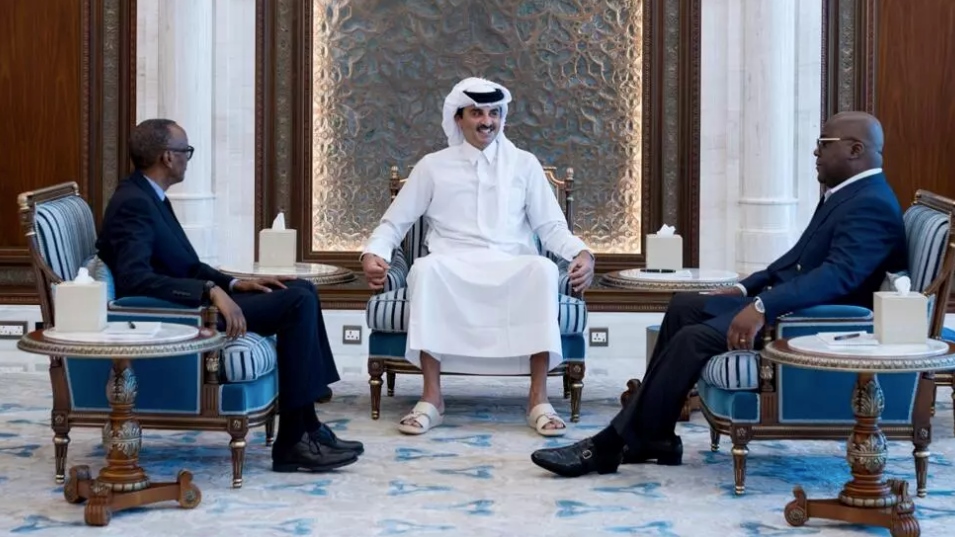
The M23 rebels are negotiating separately under Qatar's mediation and will not participate in the Washington ceremony.
Democratic Republic of Congo (DRC) President Felix Tshisekedi and his Rwandan counterpart Paul Kagame are in the United States to sign a high-level peace deal, brokered by US President Donald Trump.
The deal, first signed by their foreign ministers in June, aims to resolve long-standing tensions and conflict between the two nations.
More To Read
- Over 5,000 Rwandans stream back from DR Congo after Qatar peace agreement
- Rwanda backs Qatar at UN, demands accountability for Israeli strikes
- DRC’s Joseph Kabila is on trial for treason: What case against the former Congolese president is all about
- DRC’s latest peace deal is breaking down and it isn’t the first – What’s being done wrong
- DRC, M23 rebels resume peace talks in Qatar amid renewed fighting
- 532 Rwandan refugees return home from DRC following voluntary repatriation agreement
The ceremony is being hailed as a diplomatic milestone, but the reality on the ground remains uncertain, with clashes continuing in eastern DR Congo and deep-rooted mistrust between the two nations.
Escalating violence ahead of the deal
The timing of the signing is particularly sensitive. Earlier this year, the M23 rebel group captured key cities, including Goma and Bukavu, displacing over five million people and escalating regional tensions.
DR Congo has accused Rwanda of backing the rebels, a claim Kigali has denied despite UN reports suggesting Rwandan involvement. Tshikedi and Kagame also have a long history of exchanging accusations, making the Washington summit both a symbolic gesture as well as an opportunity to address the conflict.
A history of conflict in Eastern DR Congo
Eastern DR Congo has been a hotspot of violence for decades, driven by ethnic rivalries, armed groups and competition over vast mineral wealth. The M23 rebel group has repeatedly challenged government authority, with previous peace efforts failing, often due to incomplete disarmament or the continued presence of foreign troops.
The FDLR militia, a remnant of the 1994 Rwandan genocide, has also contributed to insecurity, prompting Rwanda to argue that intervention is necessary for its own national security.
Key provisions of the peace deal
The peace deal being signed by Tshisekedi and Kagame includes several critical measures. It calls for the withdrawal of Rwandan troops from eastern DR Congo and the disarmament of the FDLR. Eastern DRC currently hosts over 200 armed groups, made up of local and foreign militias.
The deal also lays the groundwork for economic cooperation, covering mining, hydro-electric power and infrastructure projects.
While foreign ministers signed the agreement earlier this year, the presidential endorsement in Washington gives it heightened visibility. Several African and Arab leaders, including representatives from Qatar, are expected to attend.
However, the M23 rebels are negotiating separately under Qatar's mediation and will not participate in the Washington ceremony.
Fighting continues despite diplomacy
Despite the diplomatic commotion surrounding the deal, clashes continue. Both the Congolese army and M23 accuse each other of breaking ceasefires, with Burundian forces also implicated in recent fighting. According to analysts, without a genuine ceasefire and verified troop withdrawals, the deal risks being largely symbolic rather than a meaningful step toward peace.
Economic and geopolitical stakes
The conflict similarly extends beyond regional security. Eastern DR Congo sits atop some of the world's richest mineral reserves, including cobalt, copper, lithium, manganese and tantalum.
The US hopes that resolving the conflict could open doors for investment and economic partnerships, creating what experts call a "peace dividend." DR Congo, however, has made it clear that it will not advance these economic initiatives until Rwandan troops fully withdraw.
Challenges to lasting peace
Historically, peace agreements in the region have struggled to hold. Incomplete disarmament, ongoing troop presence, and mutual distrust have repeatedly undermined previous efforts.
While the Washington signing is a high-profile step toward reconciliation, experts warn that lasting peace will depend on strong political commitment, proper enforcement, and a real drop in violence on the ground.
Top Stories Today